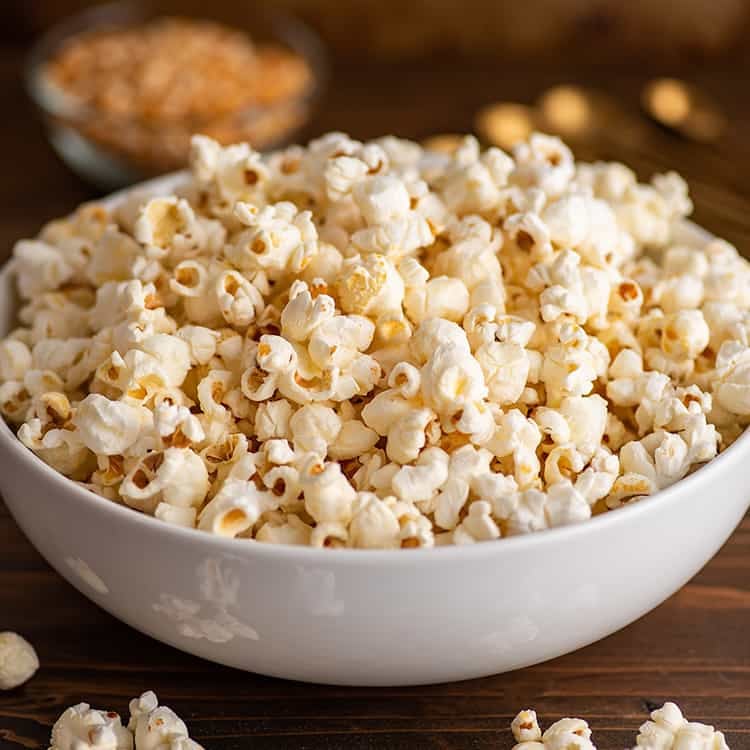
The Irresistible Allure of Fair-Quality Kettle Corn at Home
There's a universally beloved aroma that instantly transports us to joyous county fairs, bustling carnivals, and sun-drenched festivals: the sweet, salty, and utterly intoxicating scent of freshly popped kettle corn. For many, it's the undisputed king of fair snacks – a messy, crunchy, delightful treat that demands to be enjoyed by the handful. That distinctive pop, crackle, and sizzle followed by the warm, sweet perfume is enough to make anyone a bloodhound on the hunt for that perfect bag.
But what if you didn't have to wait for the next annual fair to satisfy that craving? What if that mouthwatering, fair-quality taste was just five minutes away, right in your own kitchen? The good news is, it absolutely can be. Forget stale grocery store bags or lackluster microwave versions; mastering an easy kettle corn recipe at home is not only achievable but ridiculously simple, requiring just one pot and four common ingredients.
This isn't just about making popcorn; it's about crafting an experience. It's about replicating that unique sweet-and-salty balance and crisp, sugary coating that makes kettle corn so special. And with our guidance, you'll discover that a truly authentic, homemade kettle corn is just as fresh and flavorful as if it came straight from a colossal kettle at the county fair.
Decoding Kettle Corn: More Than Just Popcorn
What Exactly is Kettle Corn?
In the vast universe of popcorn, kettle corn occupies a coveted spot, beautifully balancing the simplicity of plain popped corn with a hint of the decadence found in caramel corn. It's identifiable by its lightly golden hue and, most importantly, its signature sweet-salty equilibrium. Each kernel is delicately enveloped in a light, crisp, sugary coating that provides a satisfying crunch without the sticky, tooth-tugging aftermath often associated with heavier confections like caramel corn.
The magic of kettle corn lies in this subtle interplay of flavors. The sugar doesn't just sweeten; it caramelizes ever so slightly as the corn pops, creating a nuanced depth that complements the savory salt. Achieving this perfect harmony and the ideal crisp texture might seem like a culinary secret, but in reality, it boils down to a few straightforward steps and techniques. It's a testament to how simple ingredients, when handled correctly, can produce extraordinary results.
Why Homemade Trumps Store-Bought
While convenience often calls, when it comes to kettle corn, homemade always wins. Store-bought kettle corn, whether bagged from a shelf or microwaved, rarely captures the true essence of the freshly made version. Shelf-stable bags often suffer from staleness, with the delicate sugar coating losing its crispness and the popcorn absorbing moisture, leading to a chewy, rather than crunchy, texture. Microwave versions, while quick, typically fall short on flavor and that signature light, even coating. They often taste artificial or are prone to burning the sugar.
Making homemade kettle corn, on the other hand, guarantees unparalleled freshness. You control the quality of ingredients, the amount of sugar and salt, and the popping process itself. This control translates directly into superior taste, texture, and a snack free from unnecessary additives. Plus, the aroma alone as it pops is worth the five minutes of effort! To truly understand the difference a fresh batch makes, you might want to delve into how to Say Goodbye to Soggy Popcorn: Master Homemade Kettle Corn and unlock its full potential.
The Secret to Perfect Kettle Corn: Tips from the Pros
Creating amazing homemade kettle corn isn't just about combining ingredients; it's about understanding the simple science behind perfectly popped, evenly coated kernels. Our test kitchens have left no kernel unturned in perfecting this easy kettle corn recipe. Here are the crucial tips that will elevate your stovetop popping game from good to fair-quality fantastic.
The Right Ingredients Make a Difference
- Popping Corn: Choose Mushroom Popcorn: While any popping corn will work, for truly superior kettle corn, seek out "mushroom" popcorn kernels. As the name suggests, these kernels pop into dense, large, and wonderfully rounded balls, much like mushroom caps. This robust shape makes them less prone to crushing during handling and provides a larger, more stable surface area for the sugary coating to adhere to. The result? A crunchier, more satisfying bite with fewer annoying hulls.
- Oil: High Smoke Point is Key: The oil acts as the heat transfer agent. Opt for neutral-flavored oils with a high smoke point, such as coconut oil, canola oil, vegetable oil, or grapeseed oil. Coconut oil is often a favorite for its subtle, complementary flavor. Using an oil with a high smoke point ensures it can reach the necessary temperature for popping without burning, which would impart an unpleasant taste to your kettle corn.
- Sugar: Granulated White Sugar: Simple granulated white sugar is all you need. When added to the hot pot with the kernels, it melts and caramelizes slightly, creating that signature sweet glaze.
- Salt: Fine-Grain for Even Distribution: A fine-grain salt (like table salt) is best. Its smaller crystals dissolve and adhere more evenly to the popcorn, ensuring that every bite gets that perfect salty counterpoint to the sweetness. Coarse salts tend to fall off or create pockets of overpowering saltiness.
Mastering the Stovetop Technique
The method is just as vital as the ingredients. These steps ensure every kernel is perfectly popped and coated, avoiding common pitfalls like burnt sugar or soggy popcorn.
- Pre-Testing Kernels for Perfect Oil Temperature: This is a non-negotiable step. Add just 2-3 kernels to your pot with the oil over medium-high heat. Cover and wait. When these tester kernels pop, it signifies that your oil has reached the ideal temperature for popping. Adding all the corn too soon means it will sit in warm oil, potentially drying out and leading to tough or unpopped kernels. Adding it when the oil is too hot risks burning the kernels or sugar immediately.
- Leave the Lid Ajar for Crunch: Once your main batch of kernels is in and popping, place the lid on the pot but leave it slightly ajar (about a quarter to half an inch). This small gap allows steam to escape. Trapped steam makes popcorn soggy, robbing it of its delightful crispness. Letting it escape ensures crunchy, airy kettle corn every time. For more in-depth advice on achieving that perfect crunch, check out Perfect Kettle Corn Every Time: Key Tips for Crunchy Sweetness.
- Continuous Shaking Prevents Burning: From the moment your kernels and sugar hit the hot oil until the popping slows down, you must continuously shake the pot. This is perhaps the most crucial technique. Shaking ensures the kernels are evenly exposed to the heat, prevents the sugar from scorching at the bottom of the pot, and guarantees that each kernel gets a chance to pop and coat evenly. Neglecting to shake will almost certainly result in burnt sugar and unevenly popped corn.
- Batch Size Matters: While fair vendors use massive kettles, for home use, smaller batches are key. Don't overcrowd your pot. Give the corn-sugar mixture plenty of room to move around as you shake. Overfilling can lead to uneven popping, burnt sugar, and a less consistent coating. A good rule of thumb is usually a quarter cup of kernels per batch in a standard 6-8 quart pot.
Putting it All Together: Your 5-Minute Kettle Corn Recipe Journey
Now that you're armed with the essential tips, let's walk through the simple, swift process of making your own phenomenal homemade kettle corn. You'll be amazed at how quickly those distinct fairground aromas fill your kitchen!
- Gather Your Ingredients & Equipment: You'll need a heavy-bottomed pot with a tight-fitting lid (a 6-8 quart pot is ideal for standard batches), popping corn (preferably mushroom variety), granulated sugar, fine salt, and your chosen high-smoke-point oil. Have a large bowl ready for the finished popcorn.
- Heat the Oil and Test Kernels: Pour about 2-3 tablespoons of oil into your pot. Add 2-3 popcorn kernels. Place the pot over medium-high heat and cover. Wait for these kernels to pop, indicating the oil is perfectly hot.
- Add the Main Batch and Seasonings: Once the tester kernels have popped, remove the pot from the heat for a moment. Add ½ cup of popping corn, 3-4 tablespoons of granulated sugar, and ½ teaspoon of fine salt to the hot oil. Give it a quick stir or shake to ensure the kernels are coated.
- Pop and Shake!: Return the pot to the medium-high heat, placing the lid on but leaving it slightly ajar to allow steam to escape. Immediately begin to shake the pot continuously, using an agitated back-and-forth motion or circular motion across the burner. This keeps the kernels and sugar moving and prevents burning.
- Listen and Remove Promptly: Continue shaking until the popping slows significantly, usually to about one pop every 2-3 seconds. This typically takes 3-5 minutes from when you add the main batch. As soon as the popping slows, remove the pot from the heat immediately to prevent the sugar from scorching.
- Cool and Enjoy: Carefully pour the hot kettle corn into your large bowl. Spread it out to help it cool slightly and prevent clumping. If there are any unpopped kernels, carefully pick them out. Let it cool for a minute or two, then serve and enjoy that glorious, sweet-salty crunch!
Troubleshooting Common Kettle Corn Conundrums
Even with the best instructions, sometimes things can go a little awry. Here are solutions to common homemade kettle corn issues:
- Why did my sugar burn? This is usually due to one of three reasons: the heat was too high, you didn't shake the pot continuously enough, or the sugar was added too early to a very hot, empty pot. Ensure continuous shaking and adjust your heat to medium-high.
- Why is my kettle corn soggy? The culprit here is almost always trapped steam. Make sure you leave the lid slightly ajar while popping. After pouring into a bowl, don't cover it; let it cool open to the air to maintain crispness.
- Too many unpopped kernels (old maids)? This can happen if the oil wasn't hot enough when you added the main batch (the tester kernels step is crucial!) or if you didn't shake the pot enough to expose all kernels to even heat.
- Not enough salty-sweet balance or uneven coating? Ensure you're using fine-grain salt for better adherence. If the coating is uneven, it's likely due to insufficient shaking during the popping process. Experiment with slightly adjusting your sugar and salt ratios in subsequent batches to find your perfect balance.
There you have it: the key to bringing the magic of the fair directly into your home. With just a few minutes, simple ingredients, and these expert tips, you can create a batch of homemade kettle corn that is undeniably fresh, perfectly crunchy, and boasts that irresistible salty-sweet balance. This easy kettle corn recipe isn't just a snack; it's a nostalgic treat that's always within reach. So go ahead, don't wait for the next carnival—pop up a batch today and enjoy a taste of pure delight!
